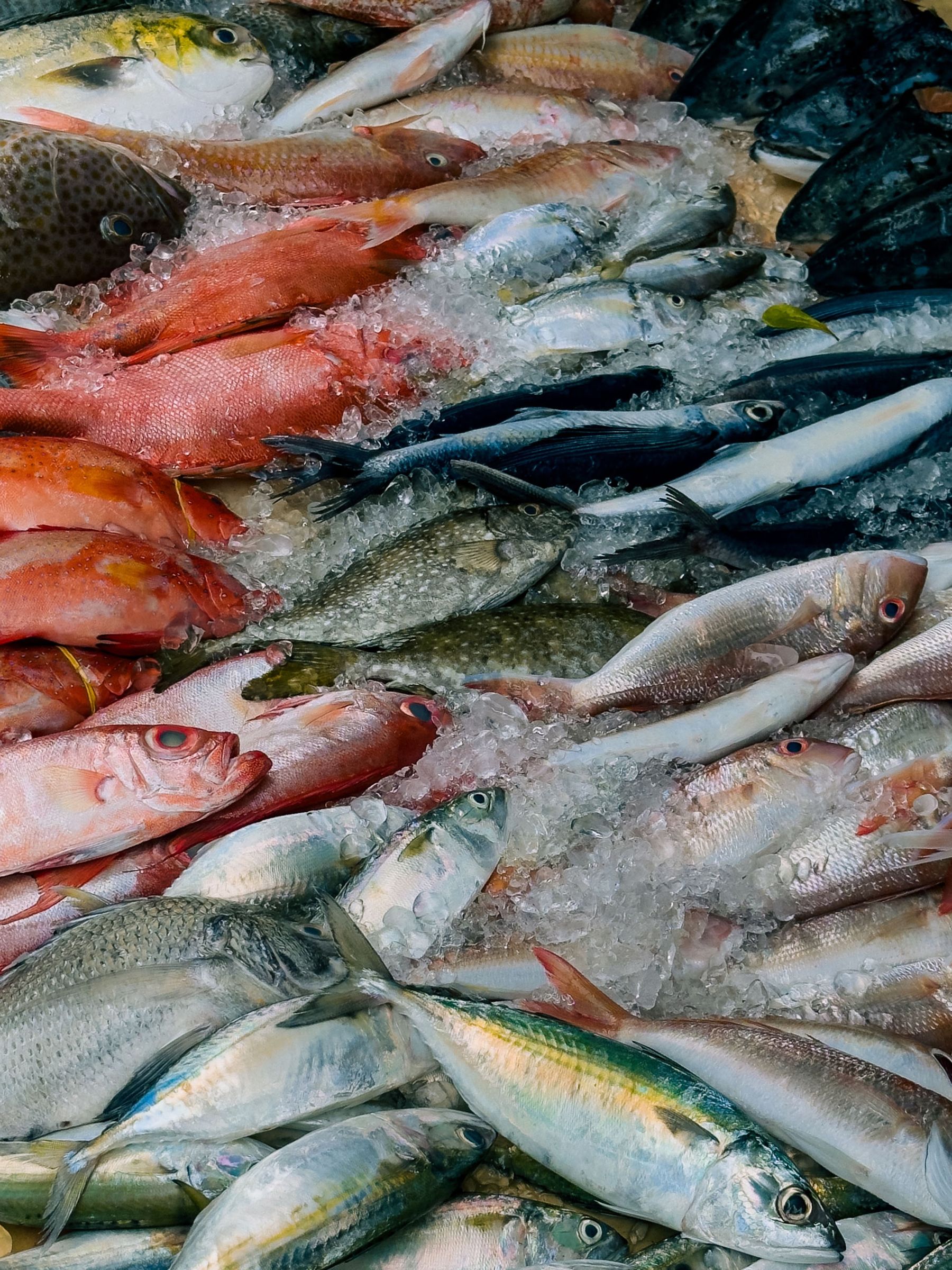
Why is immediate chilling important after catch or harvest?+
Seafood is highly perishable. Rapidly lowering product temperature toward the temperature of melting ice slows quality deterioration and helps preserve freshness through handling and processing.
Which type of ice is suitable for fish handling?+
The best choice depends on species, crate geometry, trip duration, handling method, water quality, and local practice. Small ice pieces, flake-type ice, or slurry can improve contact compared with a few large pieces; Metalex can plan tube-ice production and downstream crushing or handling where required.
When should blast, plate, or brine freezing be considered?+
Blast freezing is flexible for varied shapes and packages. Plate freezing is efficient for regular flat packs or blocks. Brine systems may suit selected shrimp, shellfish, crab, or specific immersion processes. Product format, hygiene, batch size, cycle time, and quality objective determine the final choice.
What is the difference between chilling and freezing?+
Chilling lowers seafood close to the temperature of melting ice without freezing the product. Freezing removes substantially more heat and converts much of the product water to ice, enabling longer storage when the frozen chain is maintained.
What frozen-storage temperature should be planned?+
Frozen-fish transport and storage are commonly planned at −18°C or colder, but product, customer specification, storage duration, applicable regulation, and export-market requirements may call for lower temperatures or tighter controls.
Is ammonia suitable for seafood processing and cold storage?+
Ammonia is widely used in industrial refrigeration. Suitability depends on plant scale, system architecture, charge, site layout, corrosion environment, trained operation, detection, ventilation, safety provisions, maintenance capability, and applicable codes.
How should hygiene and export compliance affect refrigeration design?+
Refrigeration must support cleanable food-contact zones, drainage, temperature monitoring, controlled product flow, door management, and documented operating practices. Export facilities should align the final design with EIC / MPEDA approvals, HACCP plans, buyer specifications, and destination-market requirements.
What details should I send for a quotation?+
Share product and pack details, incoming temperature, daily throughput, ice demand, freezer type or desired cycle, target temperature, cold-store MT, room dimensions, utilities, location, loading pattern, project stage, and existing refrigeration data.