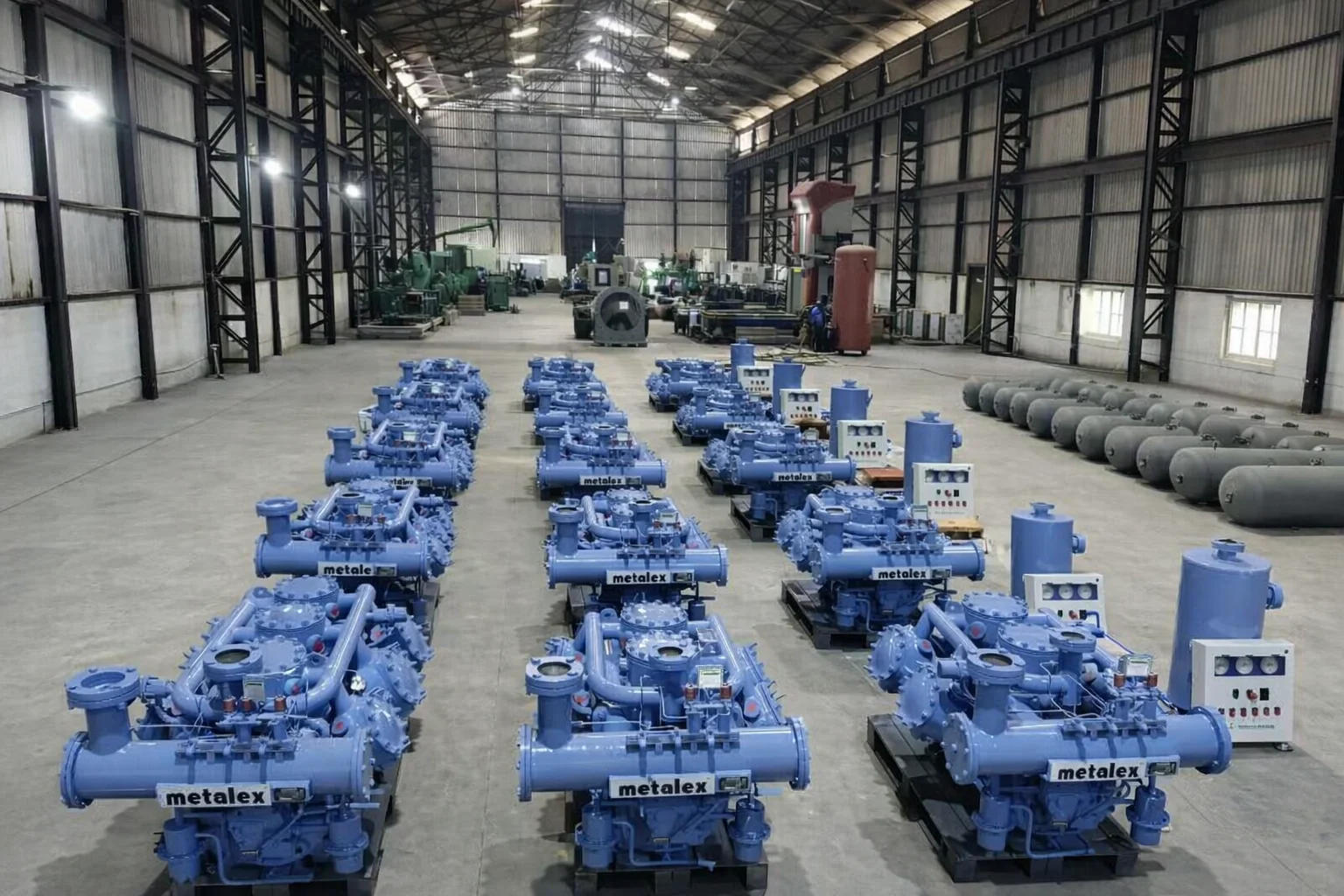
Two compressors with the same motor rating may deliver very different refrigeration capacities at different suction and discharge conditions. Correct selection therefore begins with the required refrigeration load and the operating envelope of the complete plant.
Define the duty before selecting the model
The selection input should include product load, room or process temperature, pull-down period, daily throughput, operating hours, refrigerant, evaporating temperature, condensing temperature and any planned expansion. Ice plants also need water inlet temperature, ice type, daily production and harvest pattern.
Use realistic design temperatures
Selecting at an unrealistically favourable condensing temperature can make the compressor appear larger on paper than it will be during peak ambient conditions. Similarly, choosing an unnecessarily low evaporating temperature can increase power and machine size. The operating points must reflect the site and process.
Plan redundancy and part-load operation
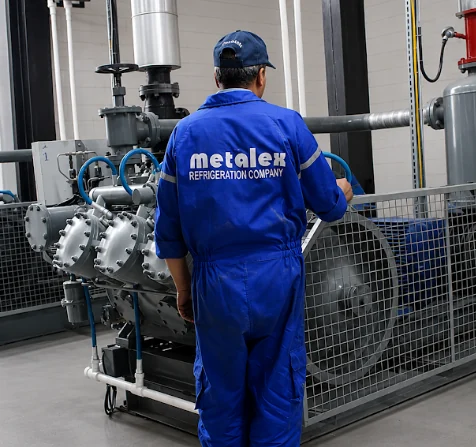
A single large compressor may meet peak load, but multiple machines can provide service flexibility, better staging and partial redundancy. The best arrangement depends on the cost of downtime, load variation and maintenance strategy.
- Confirm load in kW or TR at stated temperatures.
- Separate pull-down load from steady-state load.
- Include fan, pump and process heat gains.
- Check single-stage versus two-stage requirement.
- Allow sensible—not excessive—future margin.
“Compressor capacity is meaningful only when the evaporating and condensing conditions are stated beside it.”Metalex Engineering Note
What to take forward
A final proposal should clearly state selected model, speed, number of cylinders, operating condition, capacity, absorbed power, motor recommendation and control arrangement. This makes technical comparisons more transparent and reduces the risk of under- or over-sizing.