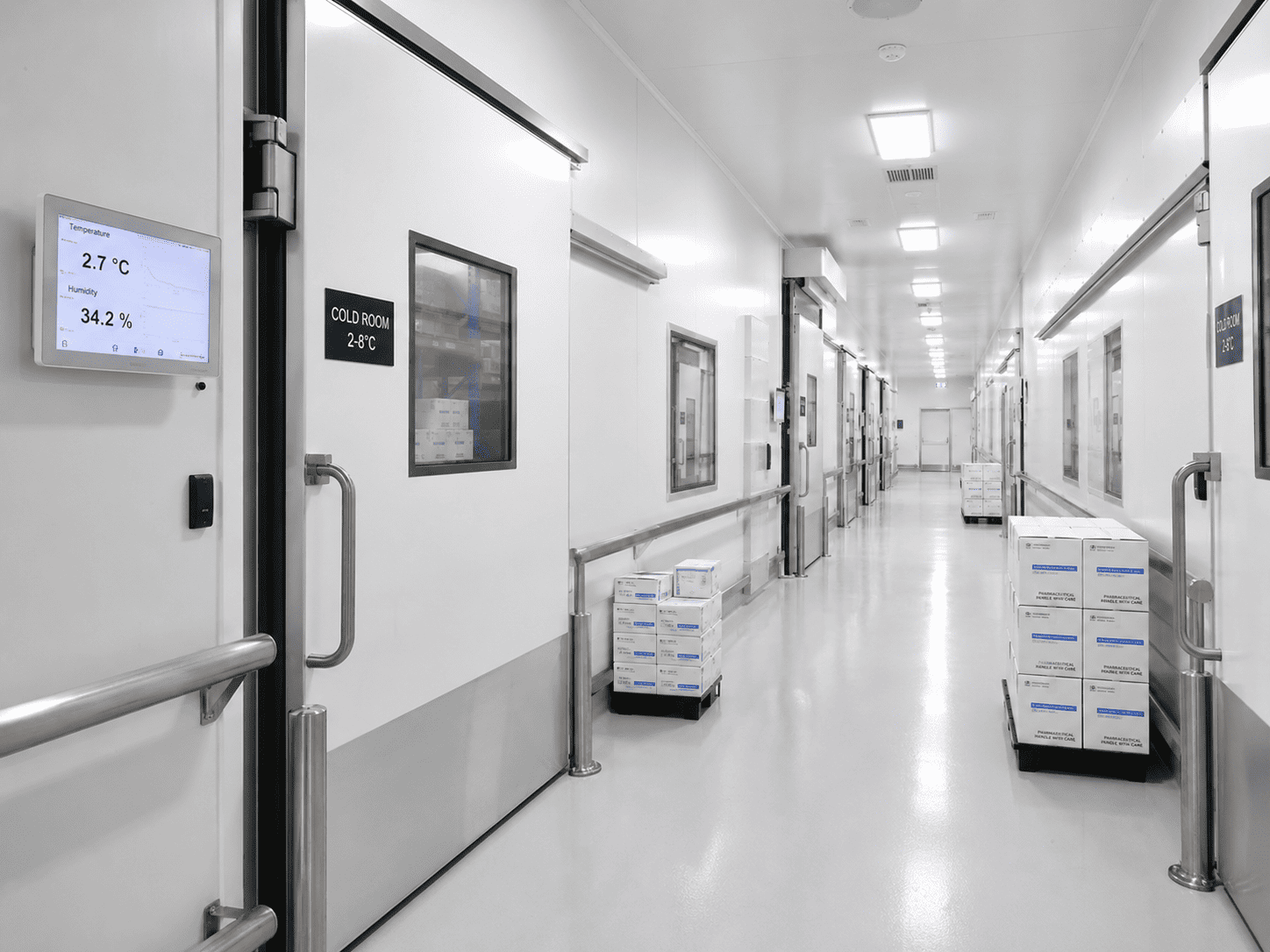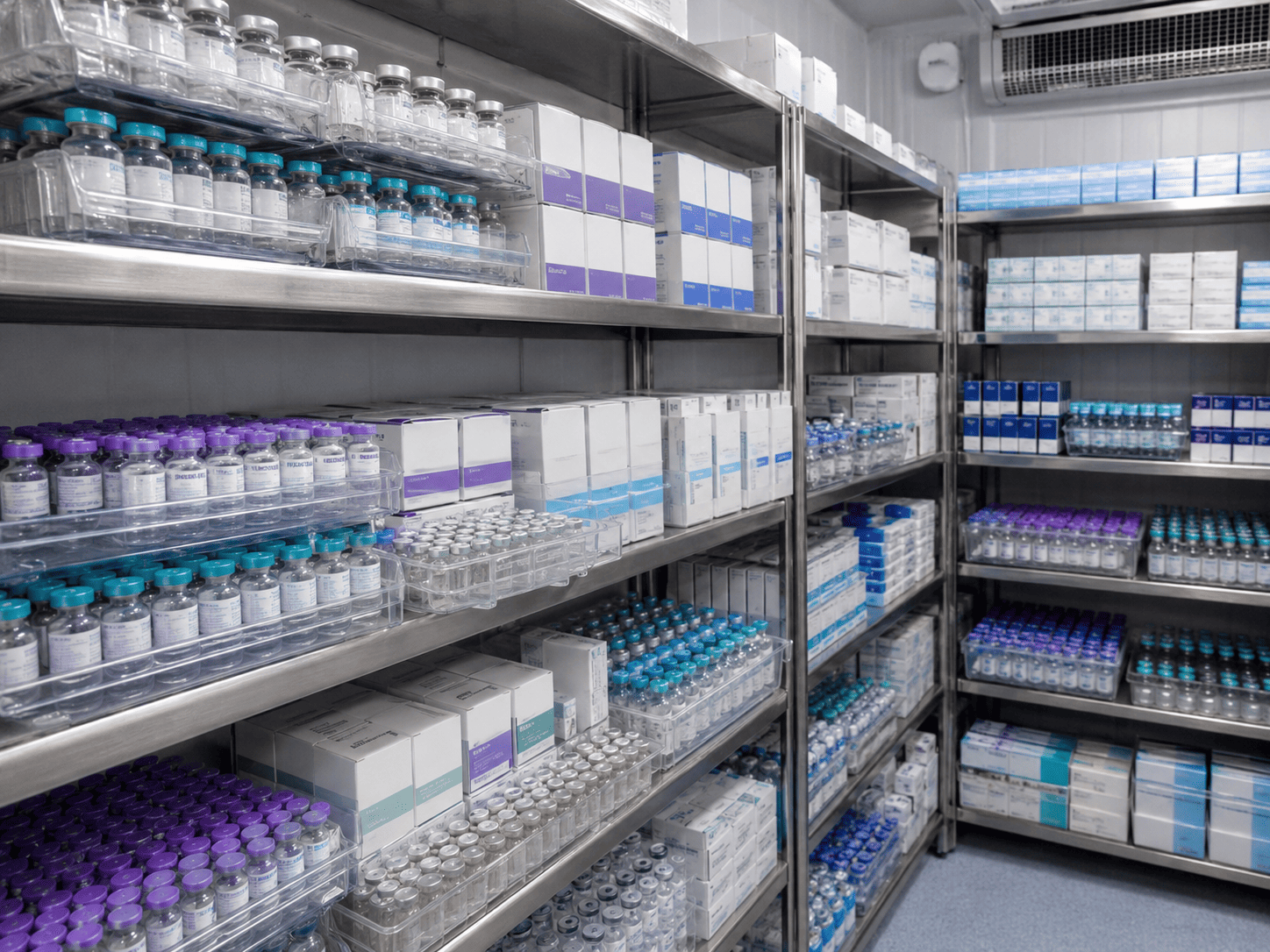
Pharmaceutical process cooling and controlled manufacturing facility
Pharma & process cooling

Temperature control built around
the batch, room & validated process.

Metalex Cryogenics engineers process cooling, chilled-water and glycol systems, reactor-jacket utilities, HVAC cooling support, cold rooms, freezer rooms, and temperature-controlled refrigeration for API, formulation, biotech, vaccine, laboratory, and healthcare manufacturing facilities.

Share Planning Data
GMP-awareutility planning
Multi-looptemperature levels
24/7critical-duty readiness
Data-readycontrols & monitoring

Cooling is part of the control strategy.
Not only a plant-room utility.

Pharmaceutical facilities may combine batch heat removal, reactor temperature control, chilled utilities, room and HVAC loads, temperature-sensitive storage, and strict operating records.

  • Selection based on process step, batch profile, temperature ramp, heat-transfer area, utility supply and return temperatures, flow, and peak simultaneous demand.
  • Chilled water, glycol, brine, or other secondary circuits planned around process isolation, control accuracy, materials, and operating range.
  • Room and HVAC cooling coordinated with temperature, relative humidity, airflow, pressure strategy, occupancy, equipment loads, and contamination-control requirements.
Pharmaceutical utility and stainless steel process equipment
Process + utility + room + storage

One utility platform Multiple controlled duties.

Metalex helps plan the cooling architecture around product and process type, utility temperature levels, storage ranges, redundancy, instrumentation, and future expansion.

API reactor and pharmaceutical process utility area
Application 01

API, bulk drugs & chemical synthesis

Reactor-jacket cooling, crystallisation support, solvent condensation, batch temperature control, heat-exchanger duties, and utility systems for API and intermediate manufacturing.

Biotechnology laboratory and controlled process area
Application 02

Biotech, fermentation & life sciences

Temperature-controlled fermentation and bioprocess utilities, equipment cooling, chilled-water and glycol loops, laboratory support, and cold-chain interfaces for sensitive materials.
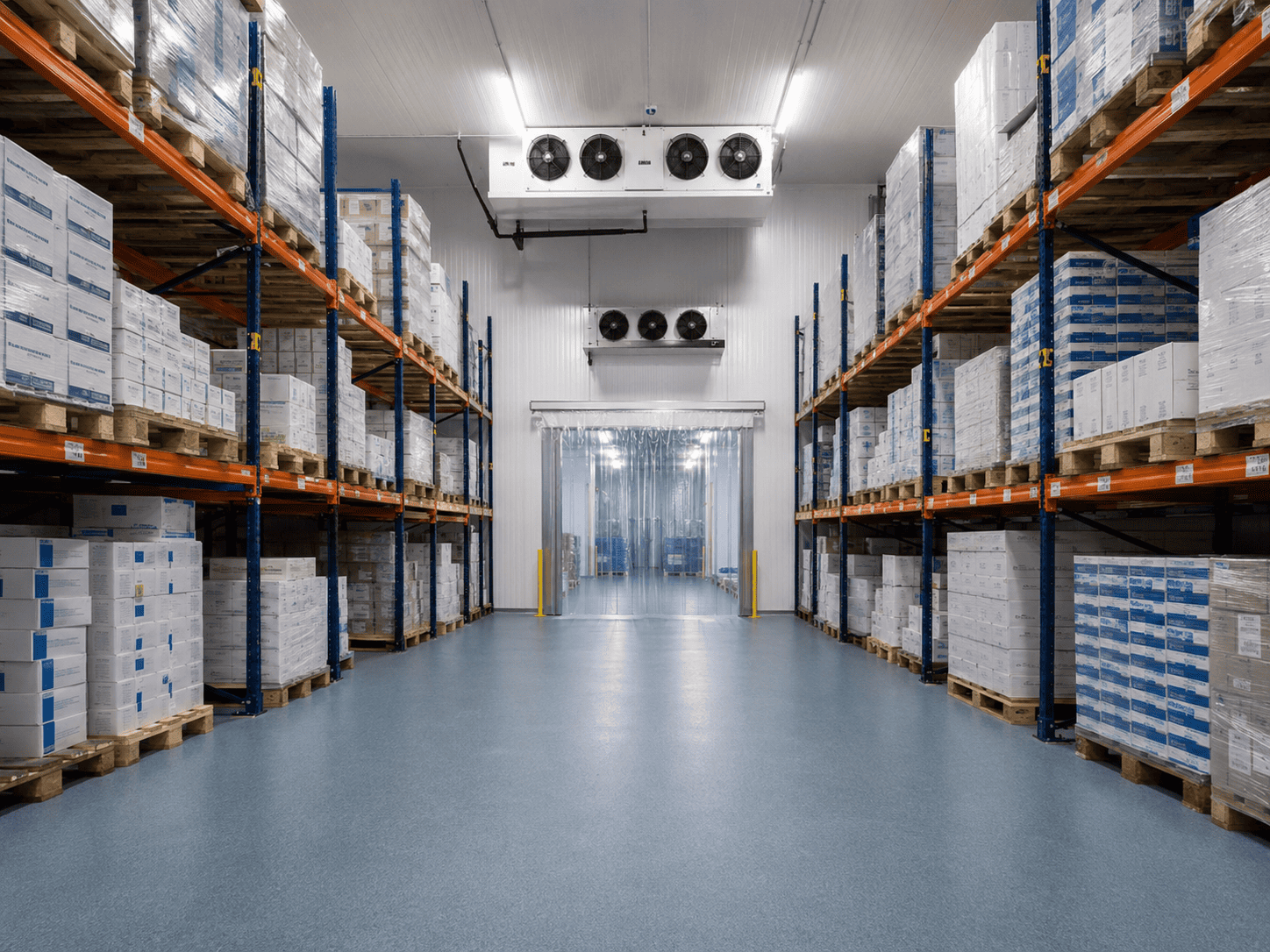
Pharmaceutical clean manufacturing and controlled storage environment
Application 03

Formulation, sterile support & storage

HVAC cooling utilities, controlled rooms, formulation and packing-area support, cold rooms, freezer rooms, warehouses, dispatch areas, monitoring, and backup planning.

Selected from the thermal profile.
Designed for controlled operation.

A pharma process-cooling system must account for batch heat release, heating and cooling ramps, reaction or crystallisation stages, secondary-fluid temperatures and flow, HVAC loads, room recovery, storage requirements, defrost, utilities, redundancy, instrumentation, and peak simultaneous demand.

01 / PROCESS

Define the critical temperature profile

Process step, product or solvent, batch size, heat release, incoming condition, target setpoint, ramp rate, hold time, allowable tolerance, and quality-critical stages.

02 / LOAD

Calculate the complete utility duty

Process heat, vessel and piping losses, heat-exchanger approach, pump heat, rooms, HVAC coils, people, equipment, doors, storage, defrost, and simultaneous peaks.

03 / ARCHITECTURE

Select circuits and equipment

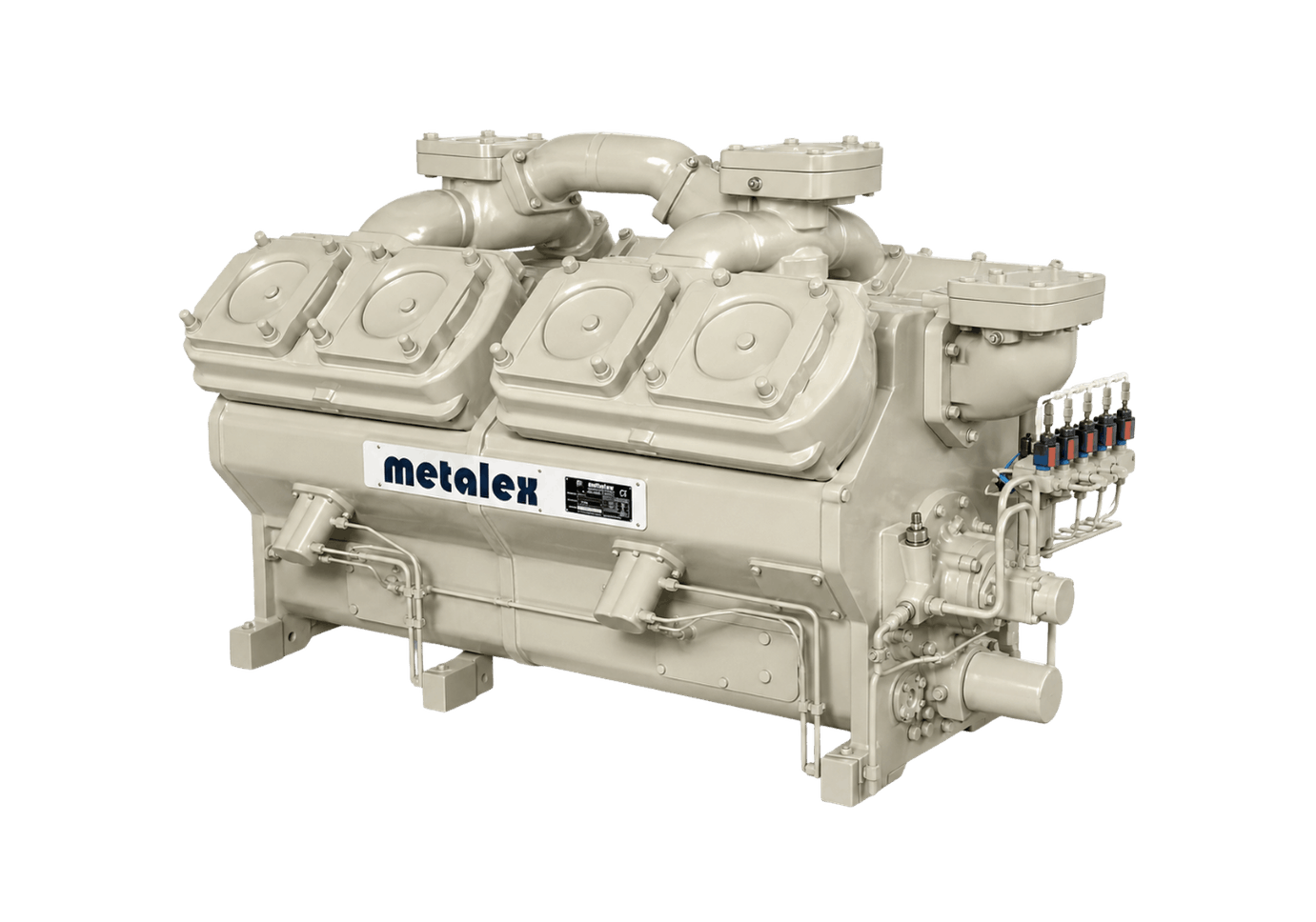
Temperature levels, secondary-fluid choice, compressor staging, condenser duty, vessels, pumps, heat exchangers, controls, alarms, isolation, and standby philosophy.

04 / LIFECYCLE

Plan qualification, uptime and change

Instrument access, calibration points, monitoring, data interfaces, mapping support, maintenance routes, contingency, operator training, documentation, and future process expansion.

Core equipment for pharma process cooling.

Information needed for
a proper pharma utility selection.

Share these details with Metalex.

Early estimates are useful. Final capacity, temperatures, tolerances, pull-down or ramp time, power, equipment dimensions, control philosophy, materials, and performance must be confirmed against the approved process, URS, quality risk assessment, site standards, and agreed design conditions.

Process / product
API, intermediate, formulation, sterile support, biotech, vaccine, laboratory, healthcare, or other process; product or solvent characteristics and applicable hazard classification.
Batch / production profile
Batch size, number of batches, cycle time, continuous flow if applicable, operating shifts, campaign pattern, cleaning or changeover periods, seasonal variation, and future capacity.
Temperature profile
Starting and target temperatures, heating and cooling ramps, hold points, allowable tolerance, maximum and minimum utility temperatures, pull-down time, and critical process stages.
Heat-transfer circuit
Reactor or equipment details, jacket or coil area, heat-transfer coefficients if available, secondary fluid, concentration, supply / return temperature, flow, pressure, materials, and connection data.
Rooms & HVAC duty
Room dimensions, classification or controlled-area requirement, temperature and RH target, occupancy, equipment loads, air changes, pressure strategy, AHU coil data, recovery time, and operating schedule.
Storage & cold chain
Product-specific approved storage range, room or freezer dimensions, pallet and rack layout, door traffic, loading profile, monitoring, alarms, temperature mapping, backup, and dispatch interface.
Controls & compliance
URS, critical instruments, accuracy, calibration access, PLC / BMS / SCADA interface, alarm and audit-trail expectations, redundancy, qualification support, documentation, and site quality requirements.
Site & project status
City, ambient design conditions, power, backup power, water, cooling-water system, plant-room and skid space, access, hazardous-area constraints, new plant, tender, expansion, retrofit, service, or spare requirement.

Common questions before plant selection.

The required duty depends on heat release, product mass, vessel and jacket characteristics, temperature ramp, hold time, secondary-fluid conditions, heat-exchanger approach, pump heat, room loads, and simultaneous users. Equipment volume alone does not define the refrigeration load.
It can be possible, but the right architecture depends on temperature levels, contamination and process-isolation strategy, simultaneous loads, control stability, operating hours, redundancy, maintenance, and expansion. Separate secondary loops or dedicated systems may be preferable for critical or widely different duties.
The choice depends on the required supply temperature, freeze protection, viscosity, heat-transfer performance, materials compatibility, corrosion control, process risk, cleanliness, maintenance, and site standards. Concentration and operating range must be selected for the actual duty.
No. Refrigeration and HVAC utilities support controlled manufacturing, but GMP compliance depends on the complete pharmaceutical quality system, premises, equipment, contamination-control strategy, procedures, qualification, validation, monitoring, documentation, maintenance, and trained personnel.
The room, refrigeration, controls, alarms, monitoring devices, and backup strategy should be qualified against approved requirements. WHO guidance says new temperature-controlled storage areas should be temperature-mapped as part of documented verification before being used for time- and temperature-sensitive pharmaceutical products.
Redundancy is a risk-based decision. Consider product value, batch sensitivity, allowable excursion time, process criticality, storage inventory, repair response, utility reliability, maintenance windows, and the consequence of losing one compressor, pump, fan, control panel, or power source.
Ammonia can be used in industrial refrigeration architectures, often with secondary-fluid circuits separating the plant-room refrigerant from process areas. Suitability depends on site scale, refrigerant charge, layout, detection, ventilation, emergency planning, trained operators, materials, local rules, and the project risk assessment.

Planning a pharma or process-cooling project?

Share the process, batch size, thermal profile, utility temperatures and flow, secondary fluid, room and HVAC duty, storage conditions, controls, redundancy, utilities, location, and project timeline.

Discuss with Metalex

Talk to the team about compressors, condensers, vessels, chilled-water and glycol systems, reactor-jacket cooling, HVAC utilities, cold rooms, freezer rooms, expansion, retrofit, service, and spare support.
Call Now →
✅ Pharma & process cooling enquiry captured. Connect the form to your backend to receive submissions.